
Online NHS Trust
Dame Caroline Clarke has been appointed as the first Chief Executive of the Online NHS Trust.
The Trust was established on 1 June 2026 as the first national, digital-first NHS trust. From the end of 2027, it is intended to provide planned specialist care across England through the NHS App, with up to 8.5 million appointments and assessments expected during its first three years.
Care will begin with a primary care consultation. Where appropriate, a GP or other practitioner may offer the Online NHS Trust as a referral option. Patients who choose it will be able to receive online consultations and specialist reviews, while any necessary tests, scans, treatments or procedures will be arranged through existing NHS services closer to home.
The initial conditions will include glaucoma and cataracts, inflammatory bowel disease, iron-deficiency anaemia, prostate conditions, and menopause and menstrual problems.
The service is optional. The Trust states that patients who prefer in-person appointments will continue to use existing services as usual and that digital care will not be the only option.
Dame Caroline is currently NHS England’s Regional Director for London and was previously Group Chief Executive of the Royal Free London NHS Foundation Trust.
From a PPG perspective, the appointment marks a further step from planning towards implementation. It will be important to see how patient choice, assisted-digital and non-digital support, equality of access, coordination with GPs and local services, and meaningful patient and public involvement are delivered in practice.
This is shared for information.
Digital Health article – 19 August 2026
Online NHS Trust: how the service will work
Is the future of Healthcare online?
The New NHS Plan for Unpaid carers
The new action plan is based on three strands, RECOGNITION, REFERRAL, and REACH.
The new plan for unpaid carers arrives wrapped in warm language and digital optimism, beneath the branding, it is painfully clear how little has actually changed.
Read our analysis here.
Baroness Casey National Care service
A submission to the enquiry from a Herts. PEP member
Executive summary
Adult social care in England is under unsustainable pressure. Demand is rising rapidly, yet access is increasingly restricted by tight eligibility rules, workforce shortages, underfunded providers and a lack of national transparency about unmet need.
Over time, publicly funded provision has not kept pace with demographic change. As a result, access is effectively rationed, but in a fragmented and largely invisible way compared with the NHS.
Recent evidence highlights the scale of the problem. ADASS reports more than 400,000 people waiting for an assessment, care and support, a direct payment or a review. Unlike the NHS, there is no comprehensive national system that shows where people are in the care pathway or how long they have been waiting.
The Casey Commission provides an opportunity to move beyond incremental reform towards a coherent settlement based on transparency, financial protection, workforce stability, fair funding, effective hospital discharge and proportionate regulation.
Every year since 1994 the number of service users supported by Social services has reduced whilst the budget spend has gone up . This link has got to be broken, especially as the assessments provided by social services don’t include daily showers and individual bed times
This submission sets out six priority reforms, each accompanied by clear implementation steps and designated responsible bodies.
Read more analysis and recommendations here.
Welcome to the website that supports patients, PPGs, Hospital Patient Panels, and community based Patient Healthcare Groups.
Our members come from all over Herts and West Essex and many have a long history of working with the regional ICB to ensure the patient voice is heard by the NHS decision makers.
Welcome to the Patient Engagement Platform
Hello Hertfordshire PEP Members
In 2025 most GP surgeries adopted a new appointment booking system called Total Triage, E-consult, or Digital First.
This new approach requires the patient to provide details of why they need an appointment on an online digital form before someone at the practice, usually a clinician, reviews the details and provides an appointment time or other appropriate response.
The PEP would like to know how patients in our region have found the new approach, whether it is accessible to all, easy to complete, provides the patient with confidence about their treatment and whether it has reduced waiting times. We would also like to know if you have suggestions to improve the process from a patient’s perspective.
The PEP Patient Access Survey 2026 – Fill out form
The outcome of the survey will be published on this website, and we can send you a copy if you leave your email address in the form.
Please complete the form and share with other NHS patients in Hertfordshire that would like to share their views on this new process.
Survey closes soon
--
Survey closes soon --
You can comment for free as a guest on any of our blog articles here
The Voice of the Patient
The PEP wants to hear from you about the issues that are important to Patients in your Patient Groups. There are many opportunities to provide your healthcare service specific feedback on important Healthcare Developments and Improvement projects happening in our ICB. If you have a message please send it to the Editor@thepatientengagementplatform.org.uk
The new Central East ICB met in Public 26th June 2026
Read the meeting book here
and members of the PEP were asking questions
To view the CE ICB board members click here
New content and links
The latest Care Quality Commission (CQC) Report on the Princess Alexandra Hospital (PAHT)
Patient Panel Comment
‘This is obviously disappointing news, particularly for our staff. Since the inspection, staff have worked tirelessly to make improvements while continuing to provide compassionate, high-quality care for patients every day. And the Panel is very appreciative of their dedication, professionalism and resilience. This outcome does not reflect the commitment and care they show to our patients, nor the significant progress that has already been made.
There were, however, two very positive mentions of our Patient Panel in the report, The support, constructive challenge and ongoing commitment to the hospital by the Panel are clearly valued, and it is pleasing to see this recognised by the inspectors.
While this is not the outcome we had hoped for, it is certainly not the end of our improvement journey. There is still work to do, and we know our staff will continue to approach it with the same determination and commitment they have shown throughout.’
Hospital responds to Care Quality Commission (CQC) report and highlights sustained progress since inspection - The Princess Alexandra Hospital NHS Trust
‘The Trust continues to take action in response to the CQC findings and to embed improvements across its services. Key areas of focus include reducing long waits, improving patient flow, strengthening governance and assurance, and ensuring patients are cared for in environments that protect their privacy and dignity.’
Read more here and find a link to the full report.
Patient Knows Best
What is it and why has it appeared in my NHS App Account? Read more & comment here.

Live Longer Better
Information for every Citizen in the UK on staying fit and active and healthy. Part of the NHS campaign to encourage all of us to do things to improve our health in later life.
Click here to learn more

Professor Sir Muir Gray CBE MD
The NHS Live Longer Better System

The NHS Pelvic Mesh Scandal
The NHS pelvic mesh scandal concerns the widespread use of synthetic surgical mesh—particularly transvaginal mesh and mesh tapes/slings—to treat women with stress urinary incontinence (SUI) and pelvic organ prolapse (POP). For some women, the implants caused severe and sometimes irreversible complications. The scandal became as much about failure to listen to patients, inadequate consent, poor device surveillance and fragmented regulation as about the mesh itself.
Listen to the THC Podcast here
Read more and leave your comments here
IHSCM (The Institute of Health & Social Care Management)
What are the NHS Managers talking about ???
Read the latest from Roy Lilley here

Read this weeks Blog Page from the East of England senate on Back Pain click here
Genomics is an interdisciplinary field of molecular biology focusing on the structure, function, evolution, mapping, and editing of genomes. A genome is an organism's complete set of DNA, including all of its genes as well as its hierarchical, three-dimensional structural configuration. In contrast to genetics, which refers to the study of individual genes and their roles in inheritance, genomics aims at the collective characterization and quantification of all of an organism's genes, their interrelations and influence on the organism.
Wikipedia
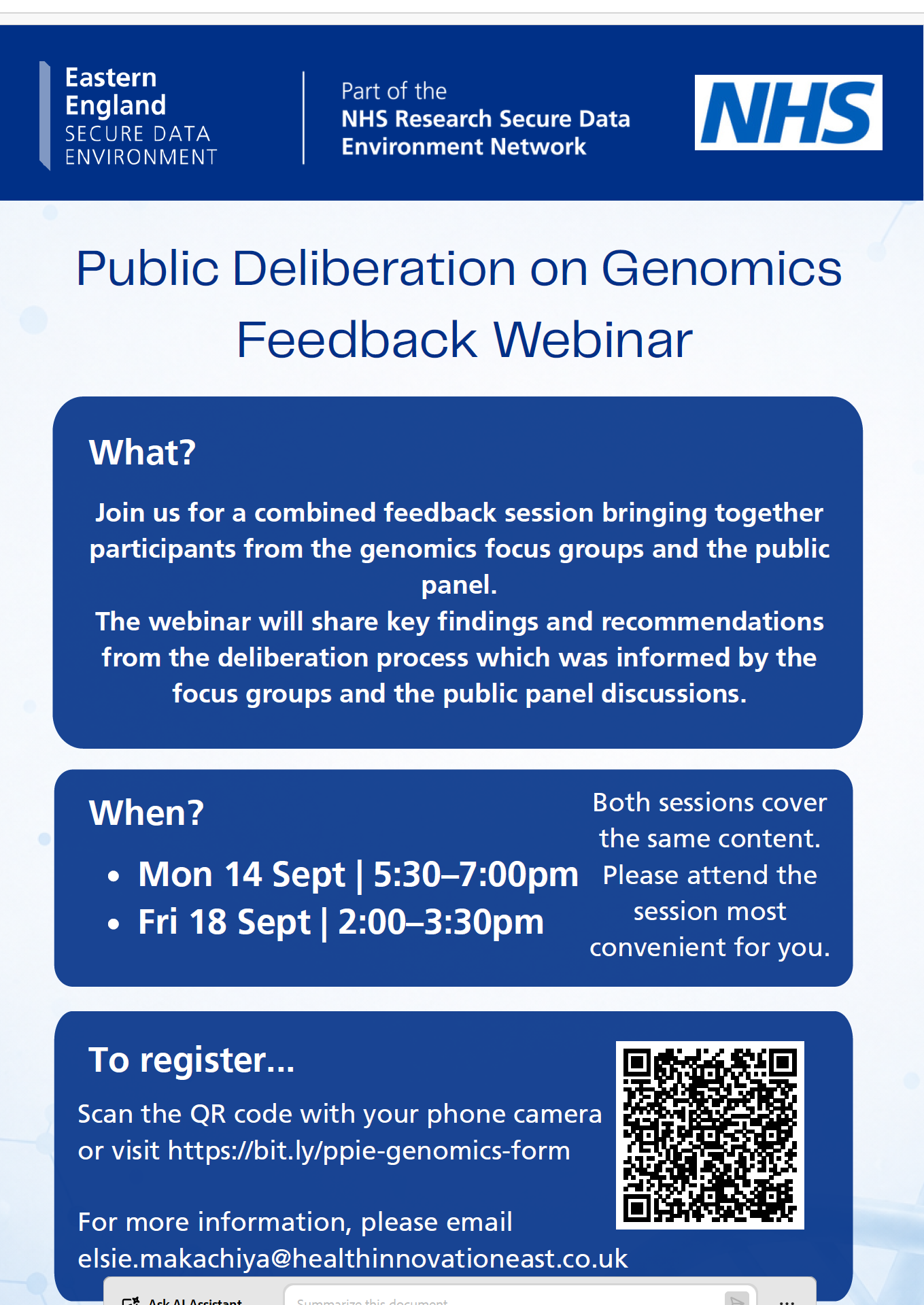
Scan the QR code to participate in the debate.


An update from the NHS on new plans for a single patient record

Checking for Prostate Cancer, a BBC News guide click here.
The latest CQC report on inpatient Hospital care .
The report indicates that about 1 in 4 patients that needed it were not given adequate discharge guidance.
Read the summary on hospital care in England here
Click here to read the survey report for your local hospital

Dr Penny Dash talks about utilisation of GP Surgeries and NHS Online
The NHS may have “twice as much” floor space for GP practices and associated services as it actually needs, the chair of NHS England has said……
GP Contract 2026/27: Key Points and New Requirements
Read our bullet point summary of the changes and additions to the GP contract for 2026-27 click here

What does the new Central East ICB say about Patient engagement?
Follow this link and download and read their new guide.

Results of the 2025 National cancer patient survey,
what should the NHS do next?
To download a copy of this document click here
MPs to debate NHS single patient record
“...concerns have been raised, by the British
Medical Association among others, about the
sensitivity of patient data and who will have
access...”
“....we need clarity that this important GP
oversight will not be taken away, otherwise it
will raise serious questions about who is
safeguarding patients' data." (BBC)

This article was selected by PPGUKNews in its monthly digest of Healthcare related news. If you would like to subscibe and receive a monthly report directly please email ppguknews@gmail.com . Please mention your PPG membership.
In England, more than one in 10 people aged over 65 take at least eight different prescribed medications each week. This increases to nearly one in four people aged over 85. In 2017/18, the NHS spent more on prescription medicines than ever before - £18.2 billion, 40 per cent more than was spent in 2010/11. More than 60% of the prescriptions made in the community are for people aged over 60. It is estimated that up to 50 per cent of all medicines for long term conditions are not taken as intended and around one in five prescriptions for older people living at home may be inappropriate.
Learn more about the relationship between your medicines and falls & frailty here
Falls & Frailty & Medicines

Explore England's prescribing data
Every month, the NHS in England publishes anonymised data about prescriptions issued by GPs. How to run your own analysis click here
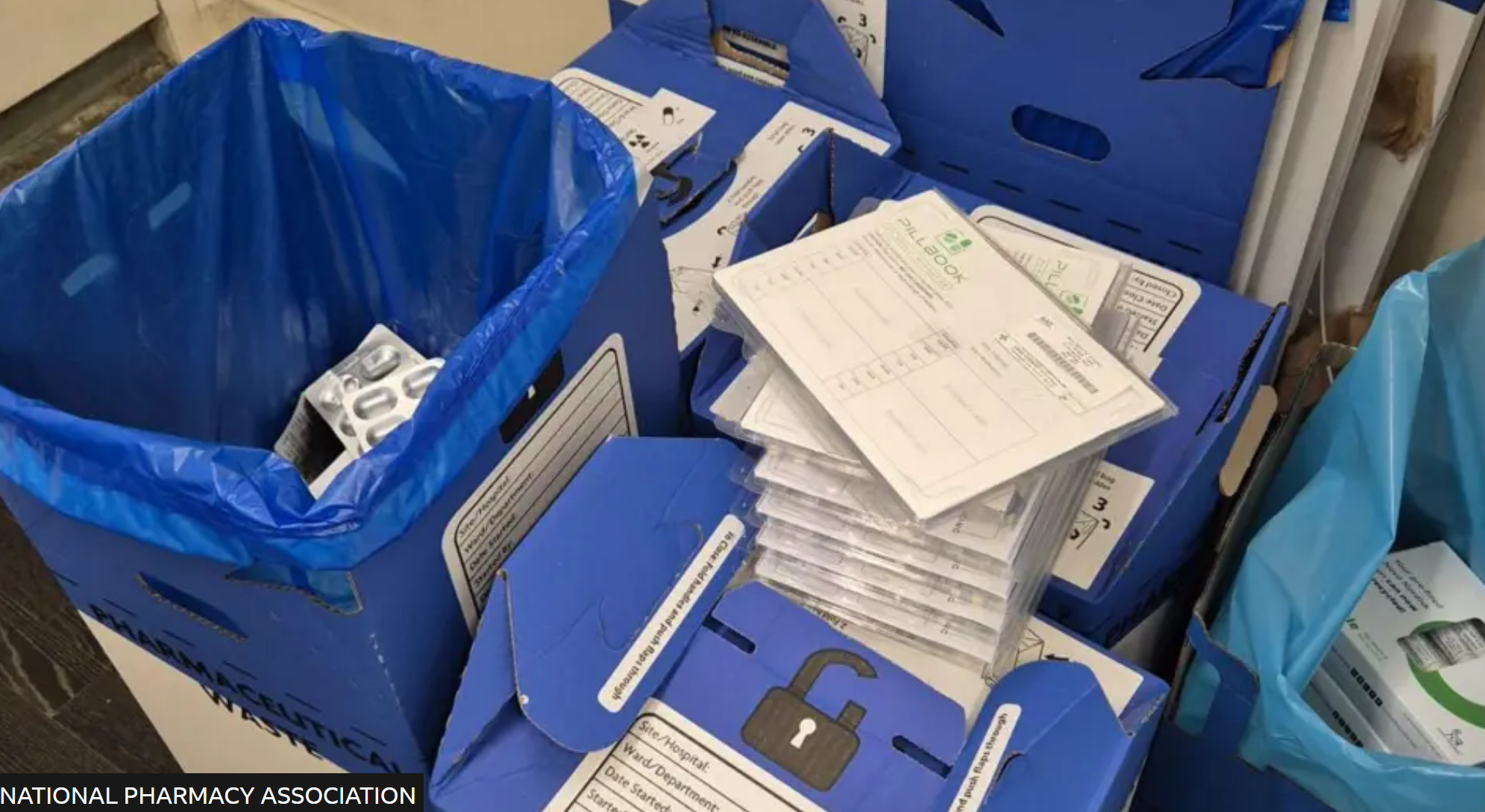
Wasted Medicines could fill 75 swimming pools BBC article
Olivier Picard, chair of the NPA, ( based in St Albans) said: "As soon as a medicine leaves a pharmacy, even if it is not used and is unopened, it must be disposed of so it is important patients only get [the medication] they are sure they will use."
Live Longer Better is a new approach developed by the NHS to give people the knowledge and support not only to live longer but to live well for longer, minimising that period at the end of life when one is dependent on other people for even the most basic of tasks. Obviously the NHS cannot do it on its own. Every other government service has a part to play and so too do communities , both national, like AgeUK and local like faith organisations - churches, mosques and synagogues - and local clubs and societies
The Patient Participation Group Support Pages
We are developing tools to help you grow your PPG, improve your communications and help you reach more patients.
Let us know if you would like to post your details and information on this website.
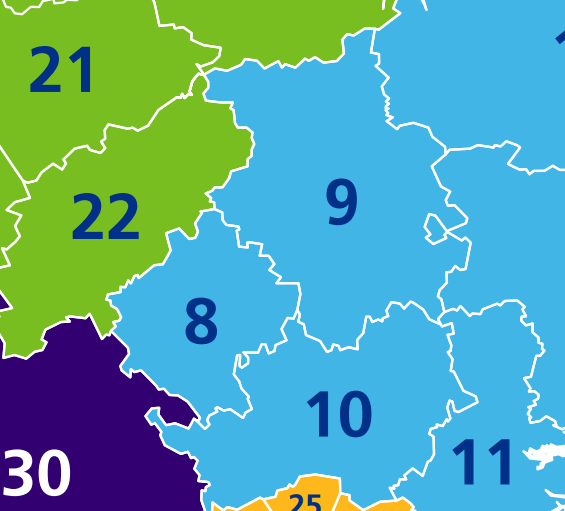

What is a PCN and how does it work?

Could your PPG be rated as outstanding?
Follow this guide and see how you score.
Learn more about patient support agencies such as the King’s Fund and Healthwatch here

Learn more about our PPG Buddy Programme, get support, and help your PPG develop

Learn more about our PPG Maturity Matrix

A PPG based Continuous Improvement Project to reduce Primary Care Did Not Attend levels (DNAs)

A guide to GDPR for PPGs click here
GP PRACTICE PATIENT GROUPS (PPGs) and the PPG NETWORK.
From our guest publication the St Albans and Harpenden Patient Participation Group Newsletter

A useful map of all the PPGs in H&WE . click here

CQC Inspections Analysis: Reports
Published in June 2026
“In this monthly report, FPM looks in
detail at what the CQC have publicly
reported from their GP practice
inspections during June 2026, all
anonymised. We highlight some of
the behaviours that won practices
Outstanding ratings, and the reasons
some practices were scored
Requires Improvement, or...” (First
Practice Management)
This article was selected by PPGUKNews in its monthly digest of Healthcare related news. If you would like to subscibe and receive a monthly report directly please email ppguknews@gmail.com . Please mention your PPG membership.
Do you want to know how Your Practice performed in the annual NHS survey in 2026, carried out by IPSOS. Follow this link
Access to a comprehensive guide to support services for armed forces veterans.

Learn about our the Spring/Summer 2025 PEP Blood Pressure Awareness project in association with the NHS and the British Heart Foundation

The Hertfordshire Healthcare Page
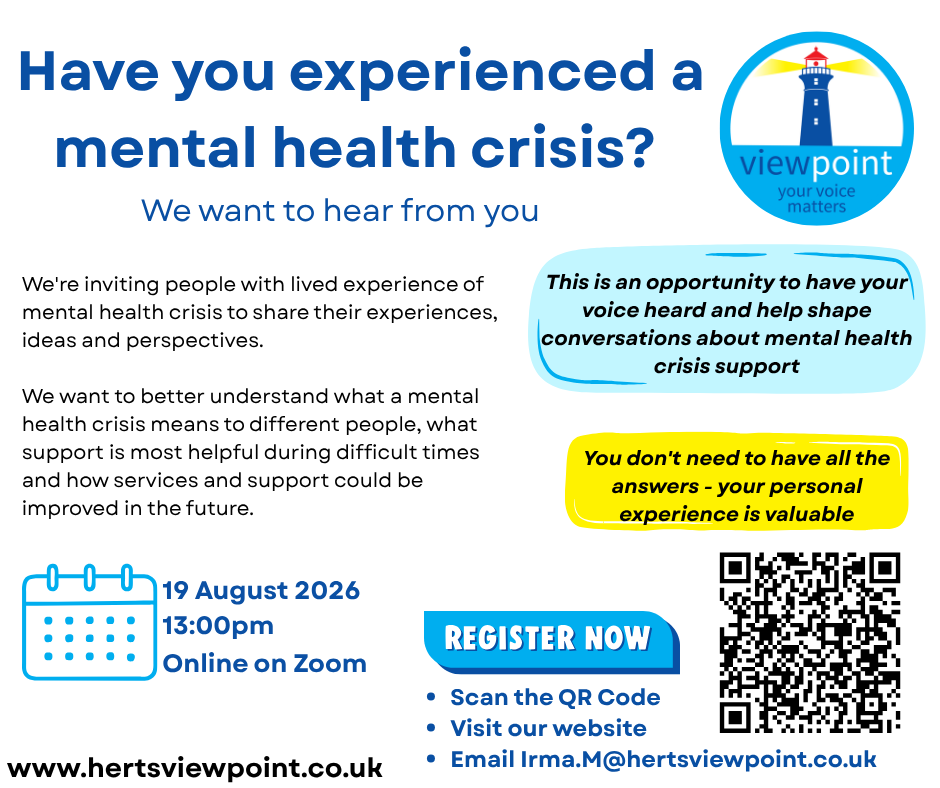
Viewpoint Hertfordshire are organising an online conversation for those who have experienced a mental health crisis. Or those who are involved in support and management in social care, VCFSE providers and patient representatives/advocates. To learn more and book your ticket visit their website
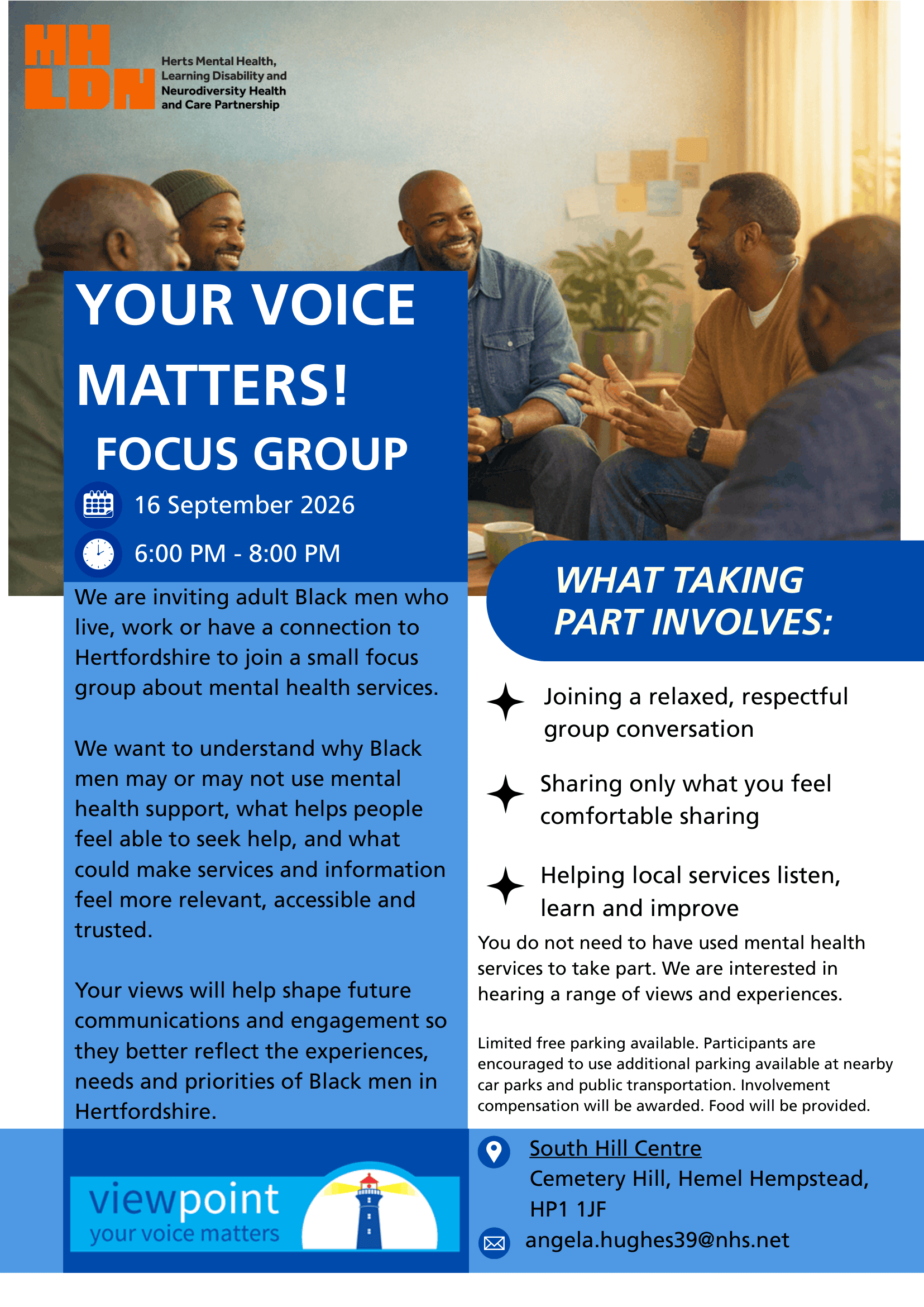
To read this new NHS East & North Herts publication please Click here.
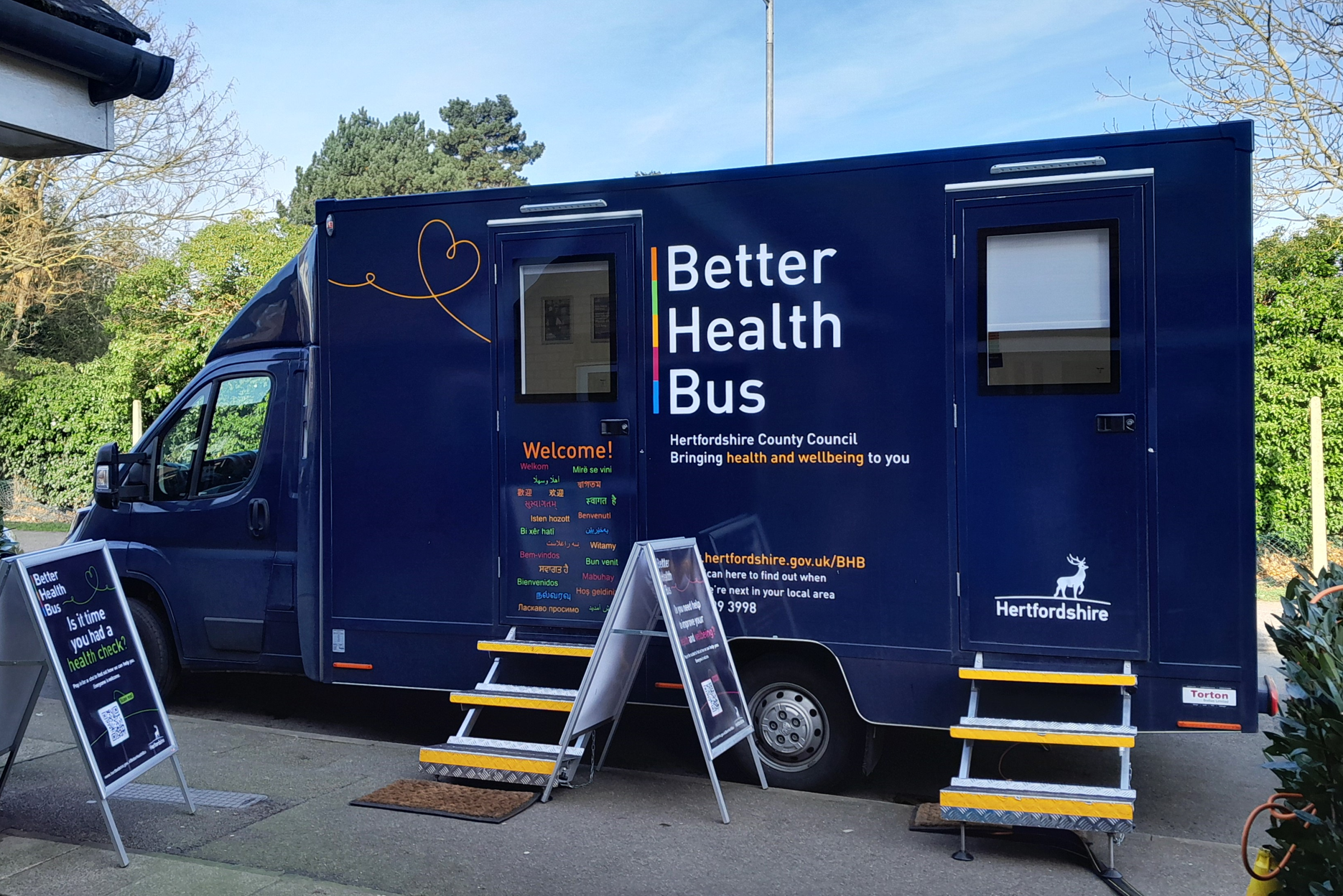
The Better Health Bus
The Better Health Bus is a mobile health unit that offers a range of health and wellbeing services across Hertfordshire. Designed to help residents who may find it difficult to access traditional health services, the bus provides free, friendly support right in the heart of local communities.
To learn more about the Bus schedule and the services it offers pls follow this link.
Dear Patient
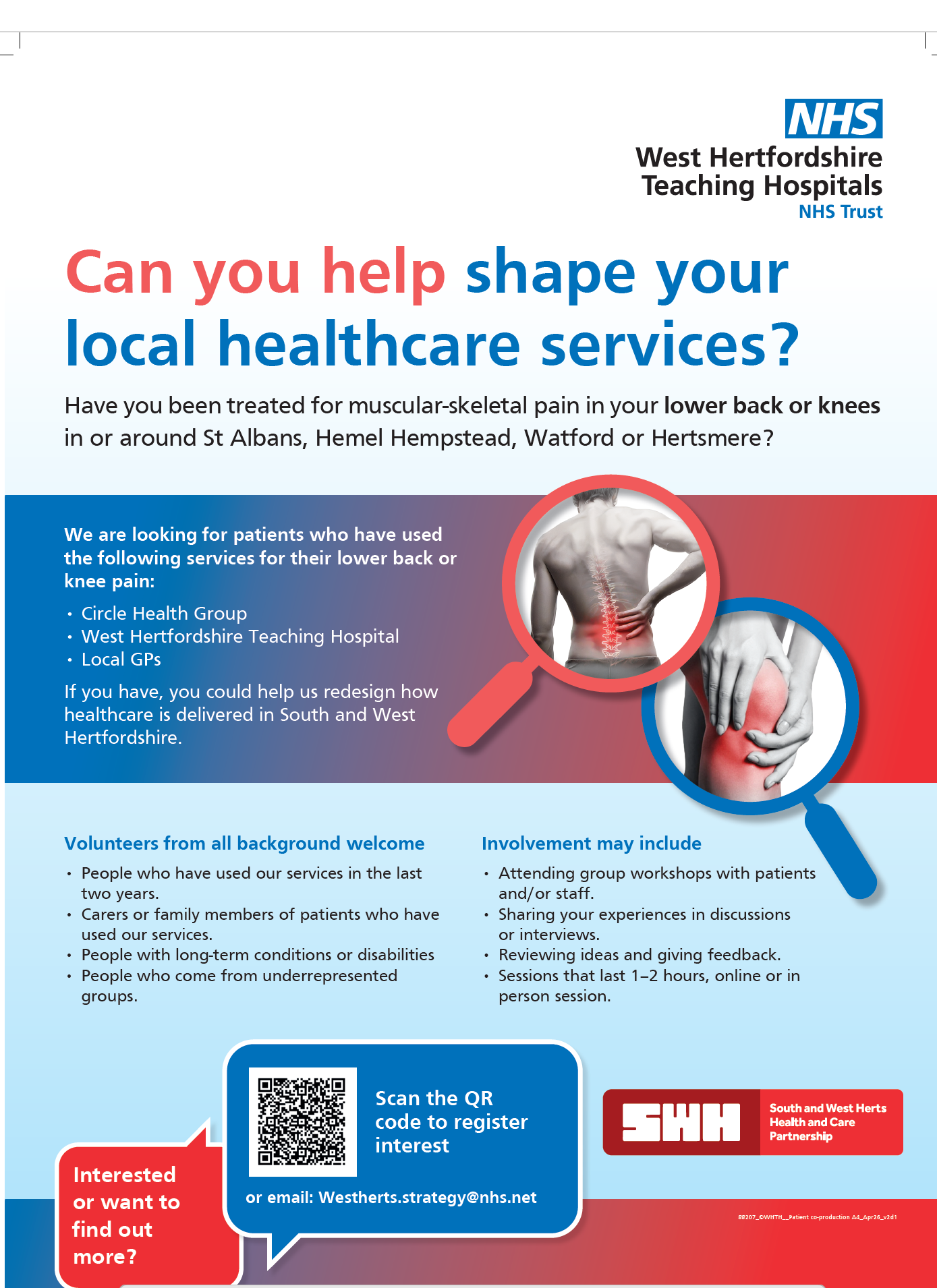
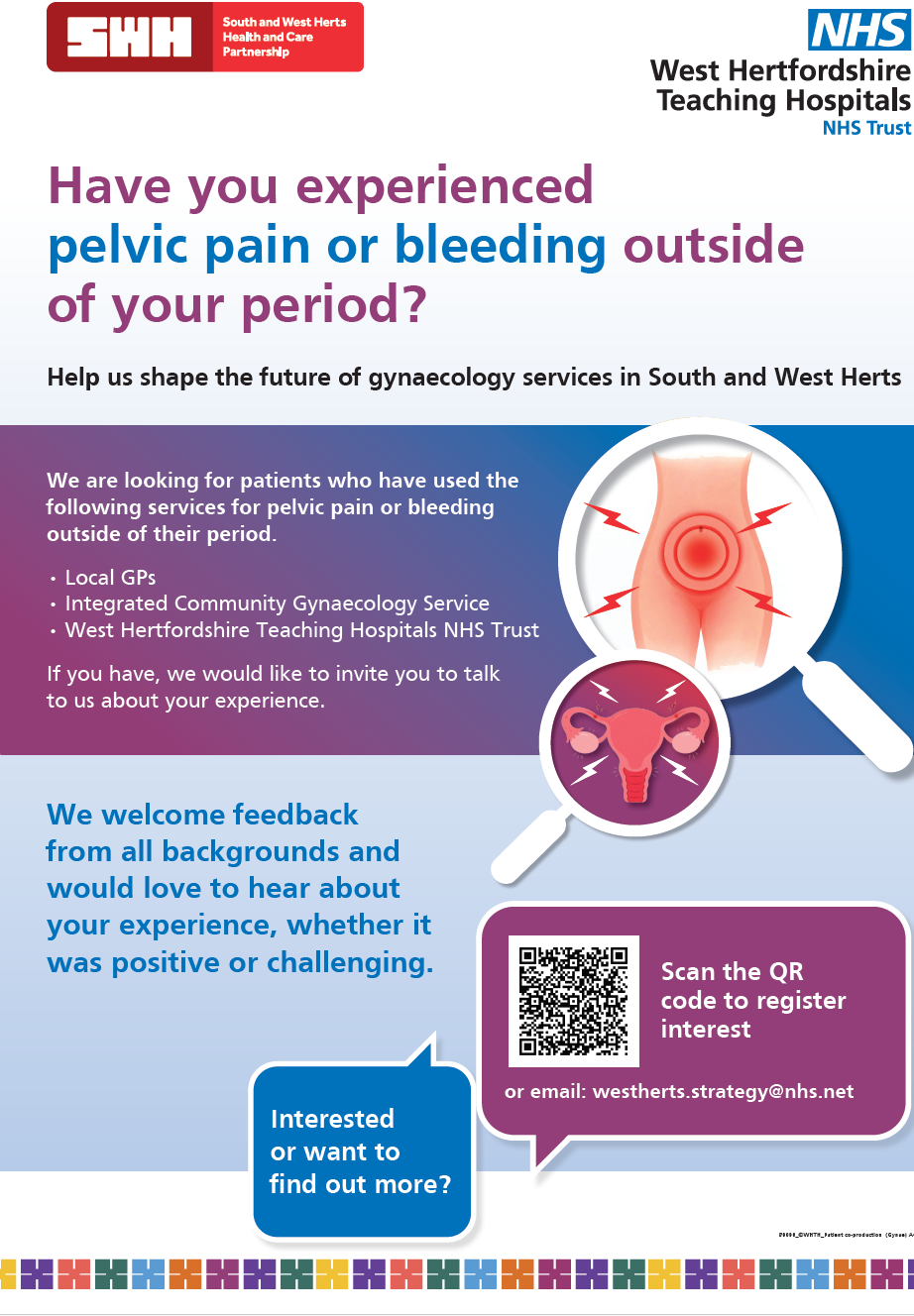
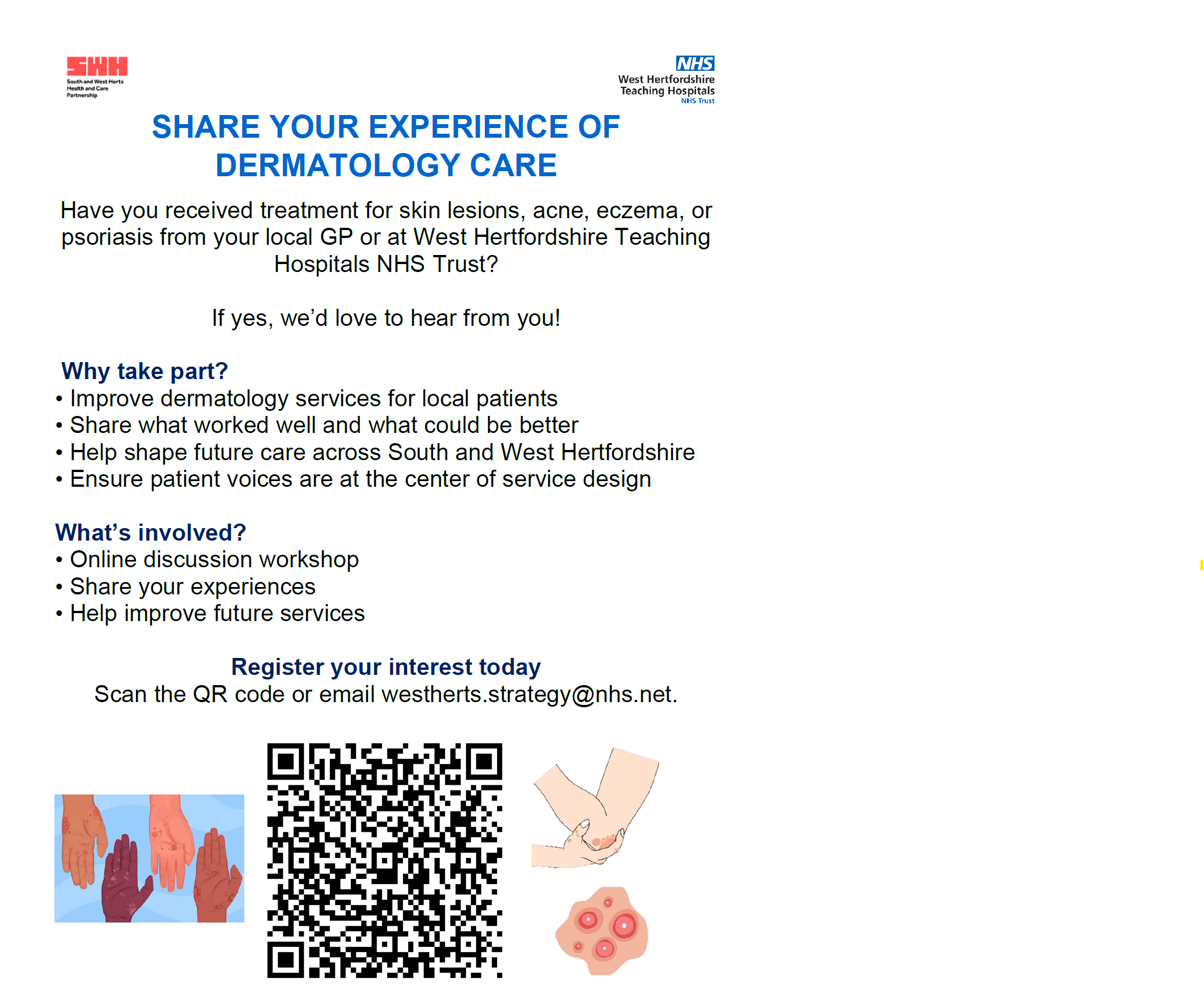
South and West Hertfordshire Health and Care Partnership are looking at how they currently deliver joined up Dermatology, Gynaecology and Musculo-Skeletal care in the local area.
They are seeking patient engagement at an early stage in this work, to ensure these services work in the best way possible for patients.
If you have experienced any of the three services below in the last two years they would like to hear about your experiences so any future changes in service delivery are focussed on what works best for the patient. Your experience may have been through your GP, hospital, physiotherapy, pharmacy or other NHS or partner agency services or a combination of these.
If you are willing to be involved please contact westherts.strategy@nhs.net and you will be contacted directly.
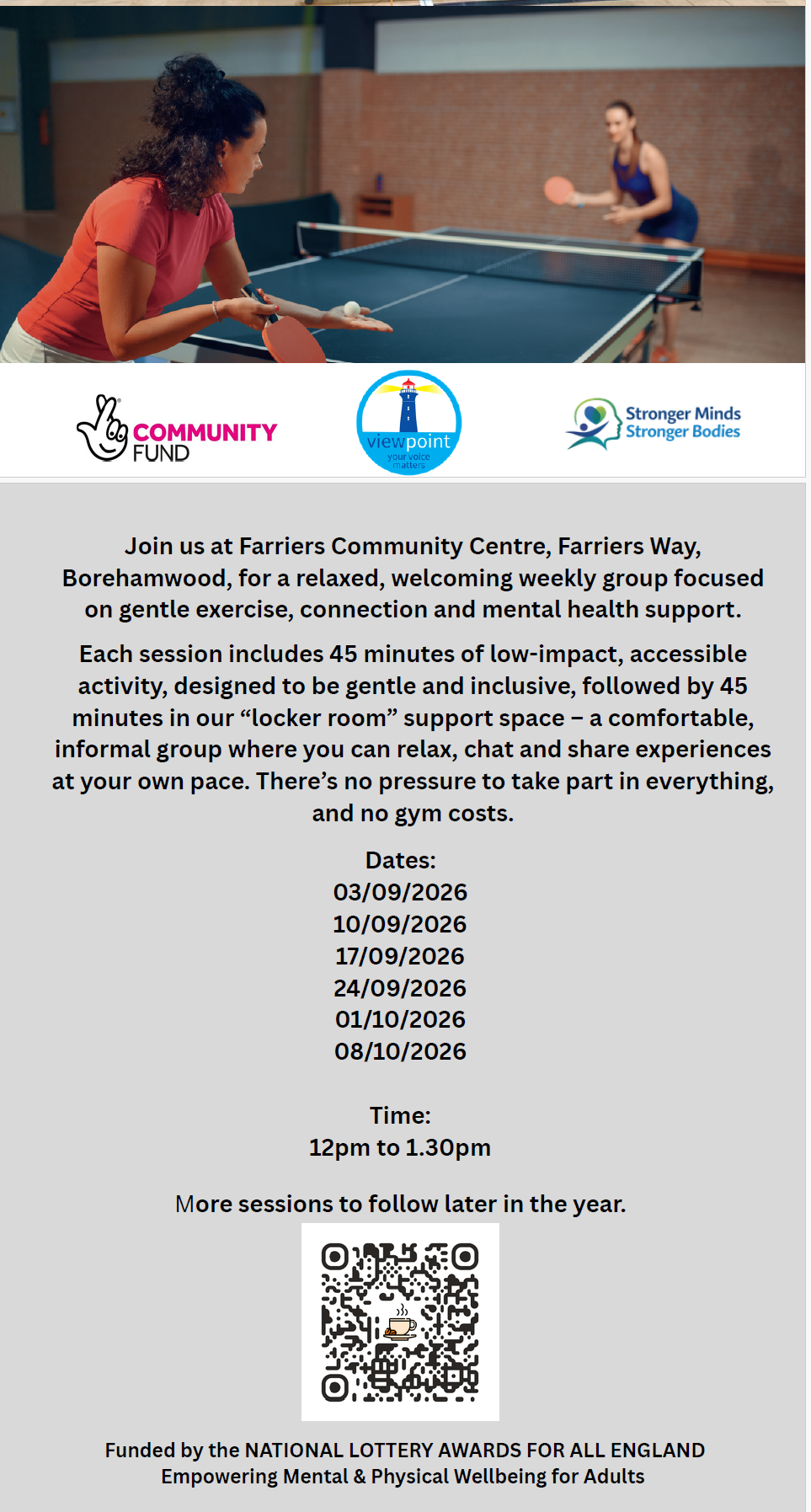
Or see the posters below……..

Walking in Hertfordshire
Get out and enjoy the Herts. countryside and art work and improve your health at the same time, ideas here.
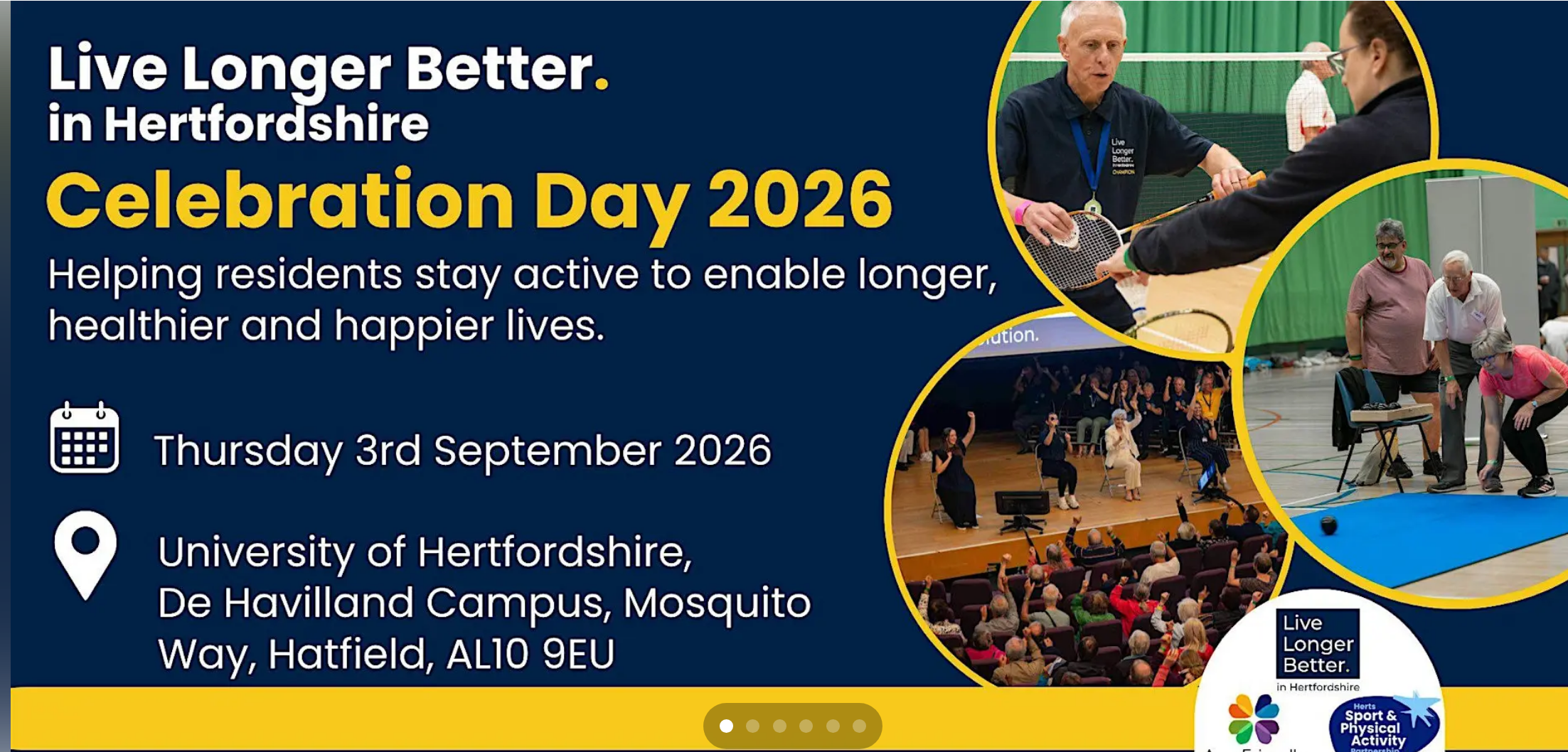
Live longer better …..in Hertfordshire
My Healthy Pregnancy – Share Your Views
Hertfordshire Public Health is seeking input from midwives, obstetricians, GPs and healthcare professionals to help improve how healthy lifestyles during pregnancy are supported across the county. By taking part, you will help ensure that the experiences and perspectives of frontline professionals shape future support for pregnant women and families in Hertfordshire. Get involved by completing a short survey or join a focus group.
We also want to hear from Hertfordshire residents
We are inviting residents aged 18 and over who are currently pregnant, have been pregnant, or have had a baby within the last two years to share their experiences of healthy eating, physical activity, weight gain and the support available during pregnancy. Residents can complete the residents survey or take part in a focus group or interview.
As a thank you, participants who attend a focus group or interview will receive a £20 Boots voucher. Both surveys will remain open until end of September, with focus groups and interviews taking place throughout August and September.
If you have any questions about the project, please contact Vickie.Rowland@hertfordshire.gov.uk and Harriet.Rowthorn@hertfordshire.gov.uk



The Herts PPG Page
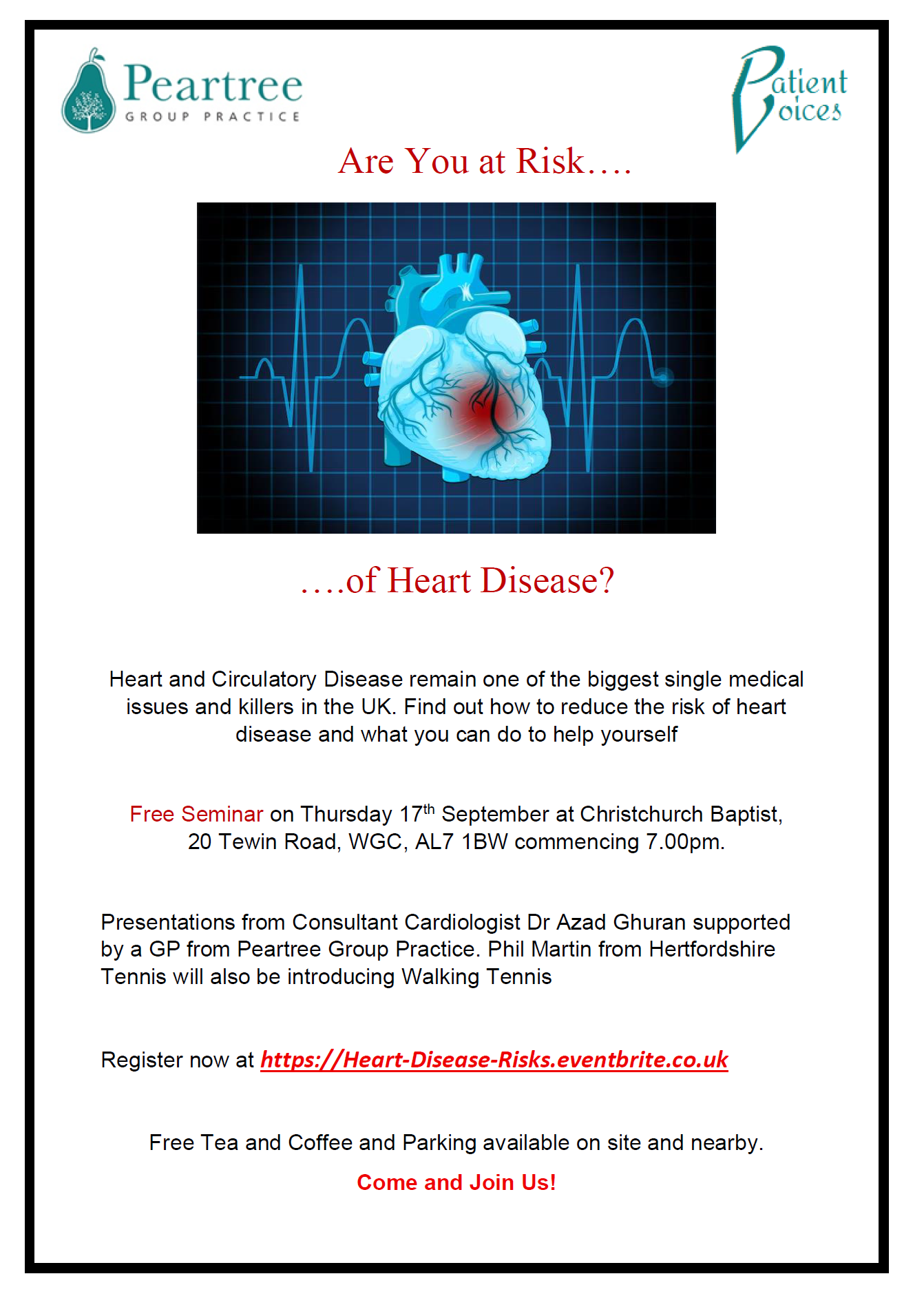

Ashwell Surgery visits Ashwell Primary School
‘Here in Ashwell our PPG is made up of a committee of patients appointed to represent the various villages covered by our rural practice. We decided to ask Ashwell Primary School to nominate someone to represent parents and younger children on our committee. Then we offered to meet the school council to answer their questions about our surgery. Katie Prince, our Practice Manager, and PPG Chair, Peter Chapman, led the exchange of views recorded in the slide show here. We have invited next year’s School Council to another meeting at the surgery. By these actions we hope to make our practice less forbidding and more welcoming to our younger patients.’
What do pupils in Ashwell Hertfordshire know about older people?

North Herts Council, Ashwell school, Ashwell Surgery and PPG are all working together to improve the health and well-being of all their patients.
Read more and then watch a revealing interview with the pupils
The Knebworth & Marymead Medical Practice Patient Participation Group Newsletter Aug 2026

Health Care News and analysis
New Healthcare Legislation?

What is the government saying in the new Health Bill? The Bill is currently awaiting input from informed members of the public. Have your say with us, read the short article in Healthcare News and message the editor@thepatientengagementplatform.org.uk
Also read a short history of the patient voice in Hertfordshire
The Casey Commission: Creating a National Care Service
The Prime Minister has agreed that Baroness Louise Casey will chair an independent commission into adult social care. The commission will be undertaken in two phases with the final phase reporting back by 2028 into the Prime Minister.
Phase one The commission should start a national conversation about what adult social care should deliver for citizens and build consensus with the public on how best to meet the current and future needs of the population. It will consider older people’s care and support for working age disabled adults separately, recognising that these services meet different needs.
This should report in 2026. read more here

Adult Social Care
ADULT SOCIAL CARE. THE FUTURE?
Mr Burnham, the new Prime Minister, has announced that he wants to reform and transform adult social care, with the cooperation and support of mainstream political parties. It is said that, on Sunday 26 July, he announced that he wanted to hold a meeting during the next day. Mrs Badenoch said that she was not available, Mr Davey that he was in France, and Mr Polanski that he had not been invited. Nor, apparently, had Mr Farage who soon accused Mr Burnham of a stitch-up and of contemplating a “death tax.”
Read a short Adult Social Care summary from our correspondent here

Lived Experience
One patient’s Cardiology treatment in Herts Mar-May 2026
‘The greatest failing was in his inability to get hold of anyone at the cardiac centre in Watford for almost 2 weeks. He was very impressed by the responses from the surgery via his e-consult requests. His care once he was in Watford hospital was also very good except for the lack of written clear discharge information. contd……click here
Lived Experience
Lived Experience
A personal cardiology history
Lived Experience
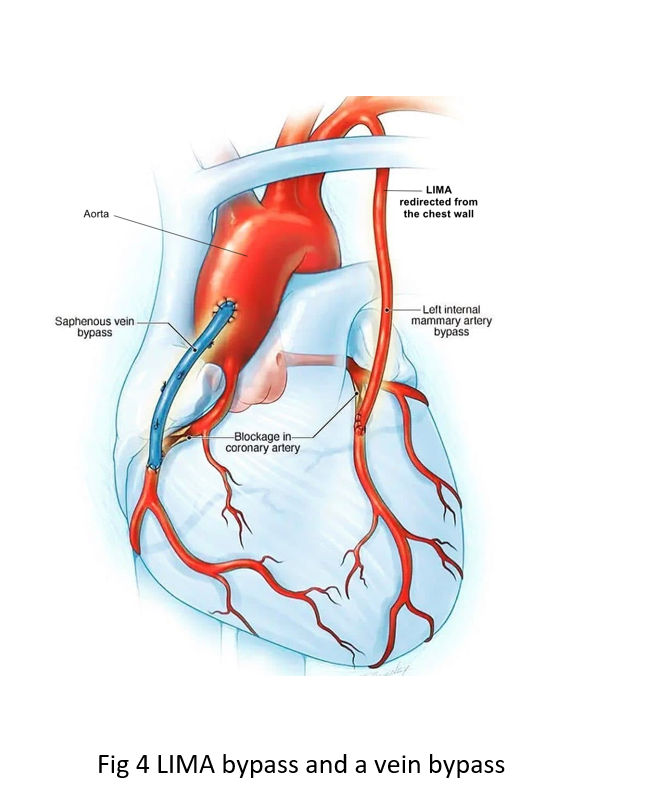
In the spring of 2006, at the age of 45, I began to have symptoms of severe unstable angina. However, I did not know what it was and I thought I had just pulled some muscles in my chest, or hurt my sternum. By August, I found I had to keep stopping when walking short distances due to the pain, which although not severe, was enough to make me rest. I went to my GP and he referred me to a cardiologist.
Read more and comment on LC’s blog page
A PEP member’s recent patient experience.
The NHS has its skates on.
Once again, your intrepid health correspondent is sitting quietly at his desk, and is sharing some of his recent experience with PEP members. Read on…
A recent Thursday……
2.30 pm, I contact my GP surgery by e-consult.
3.30 surgery phones saying they are arranging an appointment.
4.30 surgery phones saying I have an appointment at 5.20.
Friday 8.00 am,
I have blood tests and X-Ray at St. Albans City Hospital.
Saturday.
Sunday.
Tuesday.
GP phones me to discuss results.
Wednesday.
I have a CTC scan at St. Albans City Hospital.
Thursday.
GP phones me to discuss results.
Friday.
Surgery e-mails saying they are arranging an admission to Watford General Hospital on Monday or Tuesday.
Saturday.
Sunday.
Monday. 3.00 pm I am phoned by Watford General Hospital and told to report to the Emergency Department asap for admission.
****
I thought that was a pretty good patient experience.
Best wishes from your intrepid health correspondence.
These articles describe individual patient experiences and are provided for information only. They are not medical advice, and individual experiences will differ.
Please seek appropriate professional healthcare advice about your own health, treatment or medication. The views expressed are those of the individual contributors and do not necessarily represent those of the Patient Engagement Platform (PEP).
Lived Experience

Lived Experience
I would like to draw to your attention the risk to patients when the NHS fails to act as one entity and behaves as discreet autonomous components.
On May 22nd 2026 I was taken ill whilst on holiday in Wales, I was taken to the A&E Carmarthen Wales. The doctors there could not access my medical history and were it not for the fact that I have the NHS App, those doctors would have been treating me blind of my rather complex history. Various scans were carried out and I was discharged from A&E with a course of antibiotics. I was told to contact my GP if things did not improve. On the following Monday, I was no better and went to my GP. The GP could not access my medical record at the Carmarthen Hospital. So the GP referred me to Lister A&E. At Lister A&E I went through their triage. But they also could not access the scans done at Carmarthen A&E. Apparently NHS Wales and NHS England cannot share information.
No access to records: a patient danger
A PEP member’s lived experience
The PAL’s System in our hospitals.
If during a treatment or a visit to the hospital a patient may have a need to make a complaint, the hospital will refer them to their PAL’s system.
I have no experience with the PAL’s process at Watford or other hospitals in the area. I only report on Lister in Stevenage.
The PAL’s System in Lister is not fit for purpose because it is not appropriately staffed. A registered complaint is placed in a waiting list of six weeks before investigation is begun!
That is 42 days, and after this wait a letter is sent to enquire if the complaint matter still needs to be followed up. Over 500 complaints are received every month and the department has two and a half full-time staff to review these cases.
After six weeks the problem may well have gone away. Or maybe reported multiple more times, this to the detriment of patients! This needs to be investigated, as the hospital managers cannot be taking this issue seriously.
Observation by RGW
There is good news from the Lister PALS department, previously I have reported that the waiting list for a response to a complaint has been a standard 42 days (6 weeks) although this was shortened recently to 5 weeks it was still not acceptable.
In the last week I have been informed that the delay is now 7 working days which is a creditable improvement so congratulations to the department for their effort in making this beneficial change.
RGW
NHS Links for Patients

The East of England Ambulance Service
has published it’s corporate strategy read it here.
How does the NHS in Hertfordshire work????
Famous for its acronyms and impenetrable to the average patient, this short guide to the NHS is put together for patients by patients.
NHS Complaints
To complain about NHS services, first attempt to resolve issues directly with the local service provider or through their PALS (Patient Advice and Liaison Service) team. If dissatisfied, escalate to the local Integrated Care Board (ICB) or, finally, the Parliamentary and Health Service Ombudsman within 12 months.
Patient Choice
Did you know that in many cases you have the legal right to choose where you have your NHS treatment? The NHS is offering more and more options to enable you to make choices that best suit your circumstances, giving you greater control of your care, and hopefully better results.
What to ask your GP
Whether it is your initial GP appointment, a consultation with a specialist at an outpatient appointment or a mental health assessment there are a few things you can prepare in advance that will help you to get the most out of time with the health professional.
Patient Safety Policy
Read about the NHS patient safety policy update July 2026
Health Services Safety Investigations Body
The HSSIB investigate patient safety concerns across England to improve NHS care at a national level.
The NHS Constitution
The principles of the NHS
The Patient Safety Commissioner
While the Patient Safety Commissioner is independent of government and the healthcare system the Commissioner’s funding is provided by the Department of Health and Social Care (DHSC) and, from 2026, via the Medicines and Healthcare products Regulatory Agency (MHRA). The PSC remains accountable to Parliament. The Office of the Patient Safety Commissioner is resourced by civil servants and maintains a working relationship with the MHRA. This helps us to influence government, offer constructive advice on policymaking, and amplify the patient voice into the health system. While we work constructively with the MHRA, we remain outside of it and are guided by the Patient Safety Commissioner’s strategic priorities.
What do you think about your GP surgery????
Are you interested to know what your fellow patients think?
The GP Patient Survey covers GP practice services and asks about your last contact, your last appointment and overall experience. The survey questionnaire also includes questions about when your GP practice is closed, your health, pharmacy and NHS dentistry services.
My Planned Care
My Planned Care gives you advice and support while you wait and helps you to prepare for your hospital consultation, treatment, or surgery. This includes giving you information about waiting times at your hospital and other supporting and local services while you wait.
This site is updated weekly and can be viewed by anyone, which means you, your family or carer as well as your NHS team can all see the latest information.
Your hospital team will be in touch with you as soon as they can. If you are looking for an update, please check this website before contacting your hospital or GP.
Your NHS Number
How to get one and when to use it.
Neighbourhood Health Centres
Learn more about new facilities to support local patient healthcare.
The Care Quality Commission (CQC)
The independent regulator of health and social care in England link here
Quality & Improvement
The patient voice groups in Hertfordshire and west Essex have previously participated in and in some cases led Quality Improvement projects across the region. We are embarking on new Continuous Improvement projects all the time.
For reference the NHS Quality Strategy
Did Not Attends in Primary Care
Click here to read more about our project to reduce levels of Did Not Attends in Primary Care.
When a patient has made an appointment at their GP surgery and does not attend, and also does not tell the Surgery they cannot attend, then that becomes a Did Not Attend (DNA) statistic. At a time when getting to see your Primary Care practitioner is still a priority for so many patients a 4% level of DNAs or 1 in 25 failed appointments is a real waste of resources.

Quality Improvement Week
Quality Improvement (QI) Week 2026 runs from 14–18 September and is an open invitation to teams, services and systems across the NHS (and beyond) to celebrate and grow improvement together. Whether you’re just starting out in QI or already leading large programmes, you can take part by running local activities, joining online sessions, or simply using the week to shine a light on the ideas and changes that are making a difference where you work.
You can find full details on the QI Week website, hosted by the Academy of Research and Improvement, including the developing national programme, resources to support your local events, and information on how to list your own sessions so others can join. The site also shares stories and highlights from previous years, giving lots of practical examples you can borrow or adapt, and makes clear that QI Week is for everyone – all improvement teams, in the UK and beyond, are welcome to take part.
Polypharmacy, Structured Medicine Reviews, Falls & Frailty ( and A&E admissions)
Coming soon

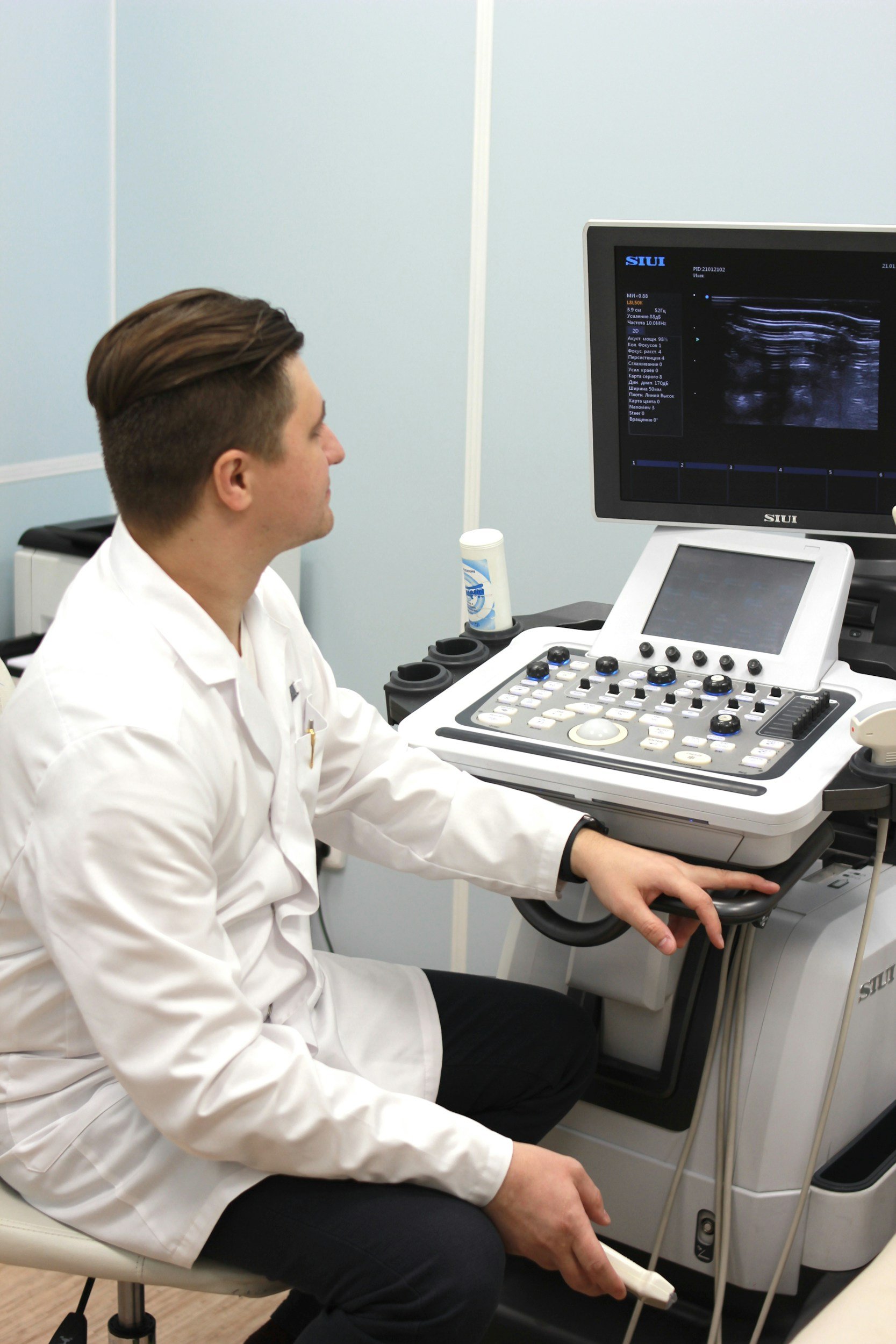
Abdominal Aortic Aneurysms
The Patient Engagement Platform was asked to help the NHS understand why patients in Hertfordshire were not
participating in the nationwide AAA test to the same extent as those in other NHS regions.
Specifically we hoped to understand the following statistics for Herts patients attending for an AAA scan in 2024-25.
•In Herts 82.3% percentage of men tested (Highest South Devon @89.7%)
•In Herts 73.8% of men in the lower deciles 1-3 were tested ( below acceptable threshold). (NHSE 82.2%, highest South Devon at 85.5%)
•In Herts 100% of men with an abnormal scan had their screens reviewed within 21 days.
•In Herts 44.8% of men with a notable aneurysm had a nurse assessment within 12 weeks of the conclusive scan ( the only service to not meet the acceptable threshold). (NHSE 79.9% , best Leicester 100%)
Summary
Over 700 members of the ‘patients and community ’, together with Patient Participation Group members and members of the Harlow Ethnic Minority Umbrella (HEMU) were surveyed.
Local study
Harlow (Essex) can be viewed as ethnically diverse with some areas of economic deprivation. Harlow feedback can be seen as a relevant indicator for the low attendance (73.8%) in similarly deprived areas of Hertfordshire.
56 patient responses were received together with extensive comments and observations from HEMU.
Most responses were from patients that had experience of an AAA scan, either personally or a partner/family member.
For more details and survey outcomes click here
The Hospital Patient Panel Support Page
The latest CQC report on inpatient Hospital care .
The report indicates that about 1 in 4 patients that needed it were not given adequate discharge guidance.
Read the summary on hospital care in England here
Click here to read the survey report for your local hospital
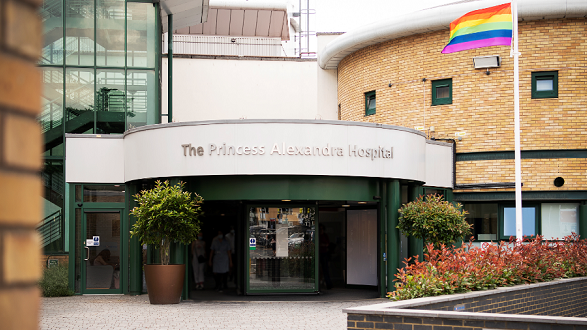
A Virtual Hospital ?
What is “Virtual Hospital” - also known as Virtual Wards or Hospital at Home?
Did you know the NHS has enabled some patients to continue their care in their own home rather than in hospital?
More information and details here.

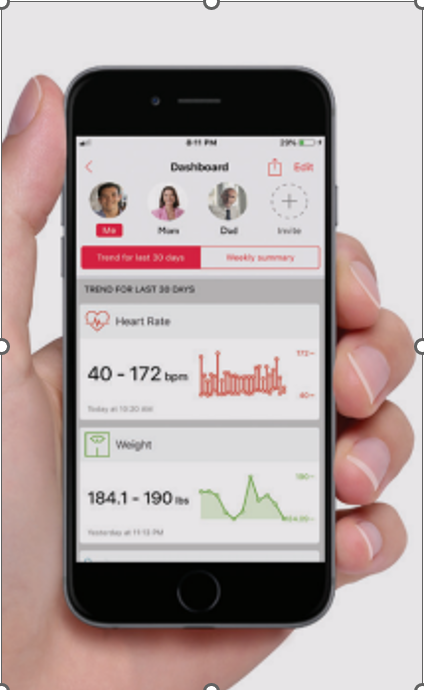
News from the Patient Panel at the Princess Alexander Hospital
The Patient Panel comprises a group of volunteers who support staff and patients here across the Trust. The members have a wide range of backgrounds which brings a broad spectrum of both personal and professional expertise to the group.
They act as a critical friend and represent the patient voice at senior management meetings. (JT April2026)
Note at the time of writing and despite numerous enquiries there is not a Patient Panel at the the Lister Hospital. The PEP feel this is a valuable missed opportunity.
The Carers pages
A subsidised monitoring and response service

Carers Champion at your GP surgery
Many GP surgeries have a Carers Champion
Services for Unpaid Carers
Primary Care (GP and Community Services)
Primary care teams can support carers through:
· GP, practice nurse and healthcare assistant support for carers’ own health
· Social prescribing and health and wellbeing coaching
· Referral or signposting to carers assessments and voluntary sector services
· Adjustments to appointment systems to better suit carers
Acute Care (Hospital and Specialist Services)
Hospital and specialist NHS services aim to:
· Involve carers in care planning and discharge planning (with patient consent)
· Recognise carers’ needs during hospital admissions
· Signpost carers to local support when a person is diagnosed with a long‑term condition or admitted to hospital
Do you have questions about Continuing Health Care?
Local Support
· Carers in Hertfordshire – Free advice, information, training, carers groups, mentoring and carers passport scheme for unpaid carers living, working or caring in Hertfordshire. Visit Carers in Hertfordshire
· Hertfordshire County Council – Adult Social Care – Carers assessments, emergency planning, respite support and information on benefits and care options. Hertfordshire carers support
More local support services here
Social Service
· Hertfordshire Adult Social Services – Support for carers including assessments, planning for the future and help arranging care and short breaks. Adult social care in Hertfordshire
Condition‑Specific Support
· MS Society – Information, helplines, local groups and support for people affected by multiple sclerosis and their carers. MS Society support
· Parkinson’s UK – Advice, helplines, local groups and resources for carers of people with Parkinson’s. Parkinson’s UK support for carers
· Age UK – Practical and emotional support, carers groups and benefits advice for those caring for older people. Age UK carers support
· Macmillan Cancer Support – Money Advice – Financial guidance, benefits advice and support for carers of people affected by cancer. Macmillan financial support for carers
Registering with your GP as a carer
The Patricia Coulson Suite
A Caring for carers support hub at Watford General Hospital
Follow this link for more carer info.



The Carers pages contd.
NHS ReSPECT Form (Recommended Summary Plan for Emergency Care and Treatment)
The ReSPECT process creates a personalised emergency care plan agreed between you and a healthcare professional. It is widely used across Hertfordshire, including by East & North Herts NHS Trust, GPs, community teams, and the ambulance service.
Purpose
To record your wishes, priorities, and clinical recommendations for emergency situations when you may not be able to express them.
How to Get One Completed
· Step 1 - Arrange a conversation with a clinician
Contact your GP, hospital consultant, or a senior nurse. ReSPECT forms must be completed with a registered healthcare professional.
· Step 2 - Prepare for the discussion
Consider your priorities (e.g., comfort vs. life-prolonging treatment), preferred place of care, and any treatments you would or would not want.
· Step 3 - Clinical discussion and documentation
The clinician records your preferences and their clinical recommendations on the ReSPECT form.
· Step 4 - Sign-off and distribution
You receive the original form. Copies are shared with your GP, community teams, and-if relevant-hospital records and the East of England Ambulance Service.
Key Hertfordshire Contacts
· GP Practices - All Hertfordshire practices support ReSPECT discussions.
· East & North Herts NHS Trust (Lister, New QEII, Hertford County Hospital) - ReSPECT used across inpatient and outpatient services.
All information from either the Office of the Public Guardian, NHS England or from member lived experience.
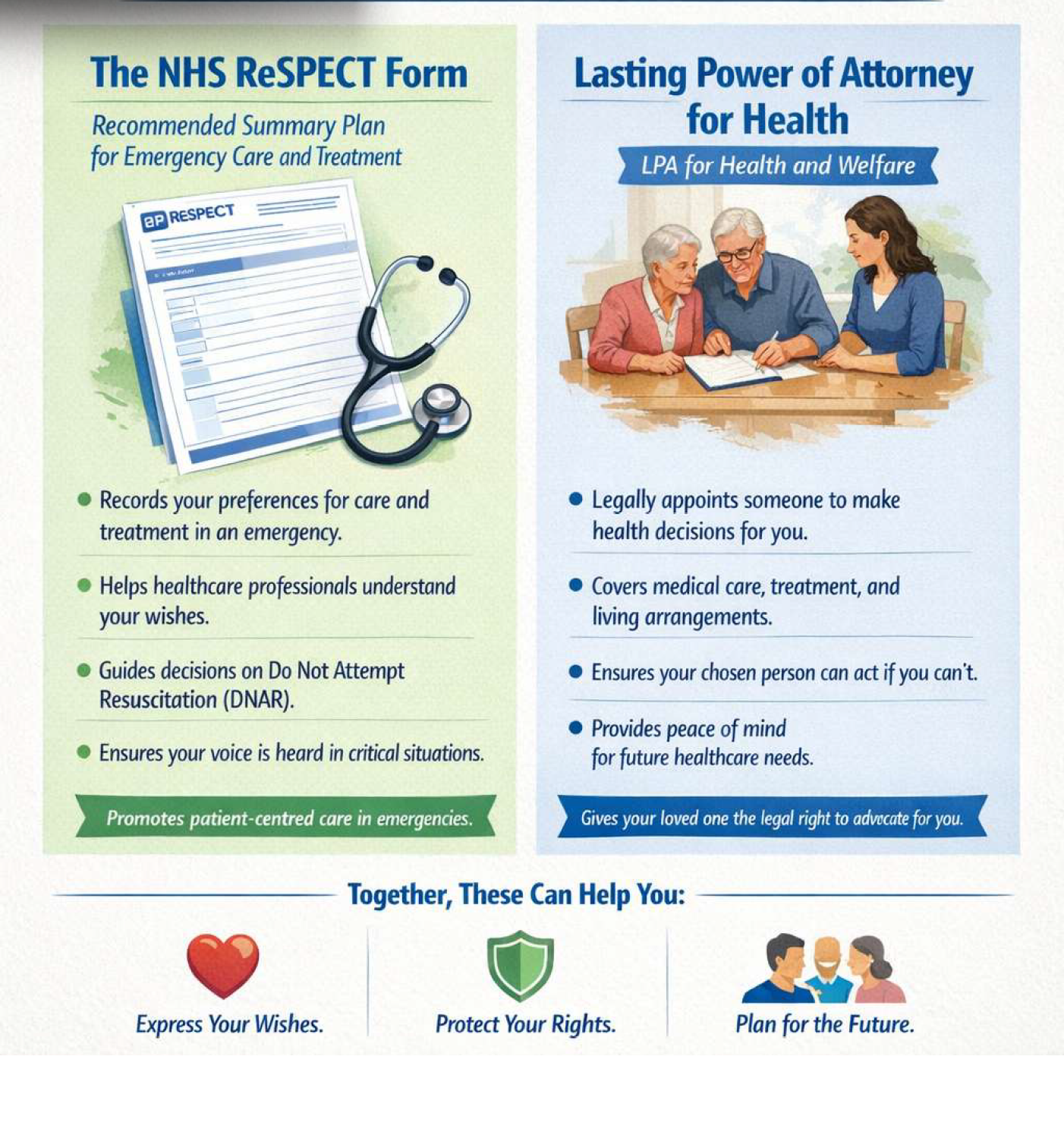
How ReSPECT and LPA Work Together
· A ReSPECT form guides emergency clinicians on your treatment preferences.
· A Health & Welfare LPA gives your attorney legal authority to make decisions if you cannot.
· Clinicians will consider both documents together when making decisions.
PEP helpful comment
Doing your own LPAs is relatively straightforward and there is no need to use a solicitor or other 3rd party unless you are really stuck, or you want to draft complex ones. It’s worth pointing out that the ‘paper’ versions can be completed online before printing. LPAs can be completed and signed but not registered immediately. They can then be registered at a later date by the attorneys if the doner has lost capacity.
Here is a link to the government webpage here.

Lasting Power of Attorney (LPA) - England & Wales
LPAs are legal documents registered with the Office of the Public Guardian (OPG). They allow you to appoint trusted people to make decisions if you lose capacity.
Types of LPA
Health & Welfare - Medical treatment, care decisions, life-sustaining treatment.
Property & Financial Affairs - Money, bills, property, banking.
How to Complete an LPA
Step 1 - Decide your attorneys
Choose one or more trusted individuals. They must be over 18 and mentally capable.
Step 2 - Complete the forms
Forms can be completed online or on paper via GOV.UK. Hertfordshire residents can also seek help from Citizens Advice or local solicitors.
Step 3 - Sign with a certificate provider
A certificate provider confirms you understand the LPA and are not under pressure. This can be a professional or someone who has known you for at least two years.
Step 4 - Get all signatures in the correct order
Donor → Certificate Provider → Attorneys.
Step 5 - Submit to the OPG for registration
Send forms and payment to:
Office of the Public Guardian, PO Box 16185, Birmingham, B2 2WH.
Fees (as of 2026)
£82 per LPA (Health & Welfare and Property & Finance are charged separately)
Fee reductions available for low income; exemptions for certain benefits.
Local Support in Hertfordshire
Hertfordshire Citizens Advice - Free guidance on completing LPAs.
Age UK Hertfordshire - Support for older residents.
Local solicitors - Can prepare and register LPAs for a fee
Contact Us
Interested in working together? Fill out some info and we will be in touch shortly. We look forward to working with you.